


Because the truth is —event planning isn’t just logistics. It’s people, pressure, creativity, last-minute chaos, and somehow making it all look effortless.
That’s exactly where AI starts to earn its place. Not as a replacement. But as a seriously helpful assistant.
In this article we will talk you through some of the top AI tools you should check out, if you’re an event organizer in 2026.
What AI Really Means for Event Planning
AI in events isn’t some futuristic concept anymore. It’s already being used behind the scenes to handle the stuff that usually eats up your time. Think about it like this – you’re still making the decisions, shaping the experience, and AI helps you move faster and smarter. Tools like ChatGPT, Google Gemini, and Jasper AI are already helping planners with:
- Drafting emails in seconds
- Building event agendas
- Brainstorming ideas
- Analyzing attendee data
It’s less about “automation” and more about removing friction.
Why Event Planners Are Leaning Into AI
There’s a reason more planners are experimenting with AI—and it’s not just hype.
- It Saves Time Where It Matters – Scheduling, reminders, content creation, follow-ups—these are necessary, but they’re not where your real value lies. AI takes those repetitive tasks off your plate, so you can focus on what actually moves the needle.
- It Improves the Attendee Experience – From personalized recommendations to smarter networking, AI helps events feel less generic and more tailored. And attendees notice that.
- It Helps You Make Better Decisions – Instead of guessing what worked, AI tools give you data-backed insights—what sessions performed, where engagement dropped, who interacted the most. That’s powerful.
- It Helps You Scale Without Burning Out – Whether it’s 100 attendees or 10,000, AI helps you manage complexity without needing a massive team.
Where AI Fits Into the Event Lifecycle
AI isn’t just one tool—it shows up across every stage of your event. Let’s break it down.
1. Streamlining Event Planning & Management
Planning is where most of the heavy lifting happens—and where AI can quietly do a lot of the work. Instead of juggling spreadsheets, timelines, and endless back-and-forth, AI tools can help you bring structure to the chaos.
Platforms like Notion and ClickUp can help you map out entire event workflows, assign tasks, and even suggest timelines based on your inputs. Meanwhile, AI-driven scheduling tools or planners can-
- Recommend the best meeting times
- Automate reminders
- Keep everyone aligned without constant follow-ups
Instead of constantly reacting, you’re actually staying ahead.
2. AI for Event Branding and Creative Work
Branding an event usually takes time—design iterations, content drafts, visuals, messaging. AI speeds that up dramatically. Tools like Midjourney and DALL-E can help you generate:
- Event visuals
- Social media creatives
- Posters and digital assets
Need a quick presentation or sponsor deck? Platforms like Beautiful.ai make it easier to create polished visuals without starting from scratch. And for video content—recaps, promos, teasers—tools like Lumen5 and Opus Clip can turn raw content into engaging clips in minutes. What used to take days can now be done in a couple of hours.
3. AI-Powered Attendee Engagement
This is where things get interesting. Because engagement is what separates a forgettable event from a memorable one. AI tools are helping planners move beyond passive experiences and create something more interactive.
For example:
- AI chatbots like QueryPal can instantly answer attendee questions
- Interactive tools like Slido power live polls and Q&A
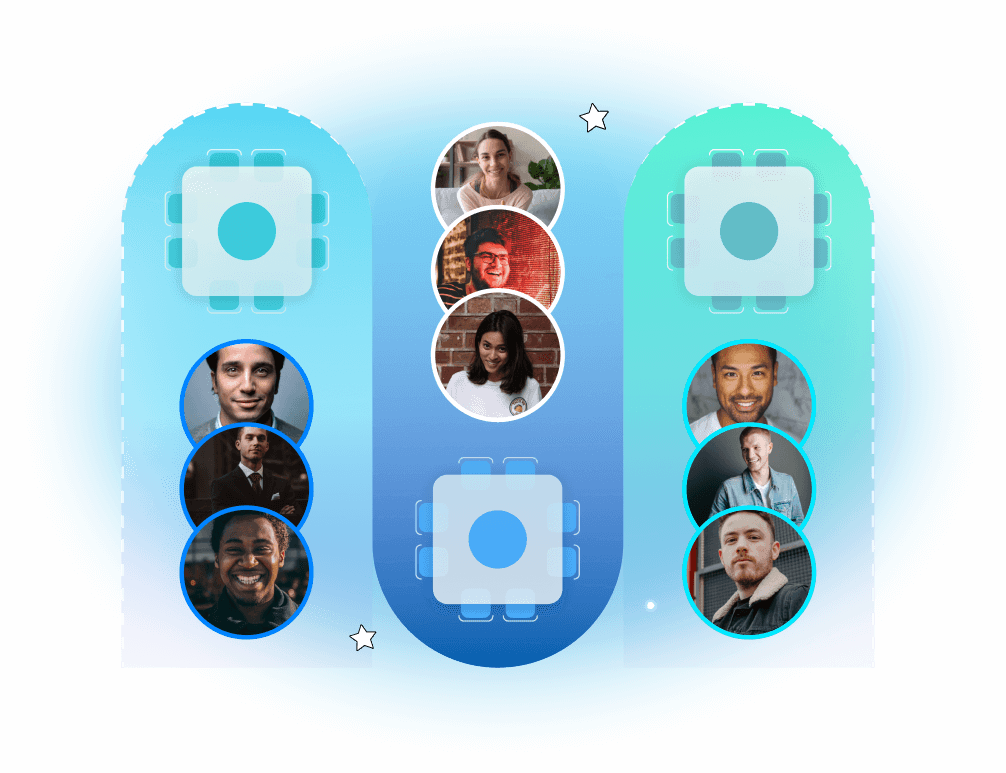
- Networking tools match attendees based on interests and behavior
Some tools even go deeper. Platforms like Zenus analyze engagement in real time—tracking sentiment, attention, and participation without intrusive data collection. That means you’re not just hoping people are engaged—you actually know.
4. AI for Smarter Networking
One of the biggest challenges in events—especially virtual ones—is recreating meaningful networking. AI is starting to solve that. Instead of random connections, attendees get matched based on-
- Interests
- Roles
- Behavior during the event
This turns networking from awkward small talk into something actually valuable. And for B2B events, this alone can be a huge ROI driver.
5. Post-Event Analytics and Insights
The event might be over—but the real work often starts after. Stakeholders want answers:
- Was it worth it?
- What worked?
- What should we do differently next time?
AI tools eliminate guesswork. Platforms with AI-driven capabilities like Google Analytics or CRM systems like HubSpot can help in tracking
- Engagement levels.
- Session performance.
- Conversion rates.
AI helps in transcribing sessions, summarizing key discussions, generating post-event reports, and automating follow-up emails too. Rather than spending days compiling reports, you get clear insights almost instantly.
What are Some Common Mistakes to Avoid When Leveraging AI in Event Planning?
AI is powerful only if you use it right. A few things to watch out for-
- Using too many tools can subsequently create confusion – Using multiple tools together, without having a proper workflow can lead to a fragmented flow, and cause insufficiencies
- Over-automating and losing the human touch – Try not to rely too much on automation, as their interactions can feel generic and reduce the personal connection that audiences crave
- Relying on AI outputs without reviewing them – AI generated content can be inaccurate; hence, it is always suggested to have a human sign off when using generated text.
- Focusing on vanity metrics instead of real outcomes – While tracking surface-level metrics like clicks or views, always tie them to ROI and engagement to avoid making misinformed decisions
- Ignoring integration between tools – Ensure that your AI tool syncs well with your event platform, CRM system and others, else it can break the overall event experience
AI should support your process—not complicate it.
How Airmeet Fits Into This Picture
As events become more digital and data-driven, having the right virtual event platform matters just as much as the tools you use. That’s where Airmeet comes in.
- As a virtual and hybrid event platform, Airmeet brings together many of these capabilities in one place—making it easier to manage as well as analyze events without juggling multiple systems.
- From audience engagement features to networking experiences and analytics, it helps event planners create experiences that feel interactive and not transactional.
Instead of stitching together tools, you get a more streamlined setup—one that actually supports the way modern events run.
Bottom Line
AI isn’t here to replace event planners. It’s here to make your job easier—and your events better. The planners who win won’t be the ones using the most tools.
They’ll be the ones using the right tools, in the right way. Because at the end of the day, technology can support the experience. But it’s still you who makes it unforgettable.
FAQs
Yes, in fact improving attendee engagement is one of its biggest strengths. AI helps you achieve this as it can-
- Personalize recommendations
- Match attendees for networking
- Power live interactions like chatbots, polls, and Q&A sessions
Rather than a one-size-fits-all experience, attendees receive something that feels more relevant as well as interactive, which naturally boosts engagement.
It doesn’t have to be. Many AI tools offer free versions or affordable plans, making them accessible even for smaller teams. You can start small—using AI for content or scheduling—and then expand as needed. The key is to focus on tools that deliver clear value rather than investing in everything at once.