


ChatGPT supports event planning by generating ideas, structuring workflows, creating content, and improving marketing and engagement strategies—all from simple prompts.
It allows you to arrange dispersed ideas into structured plans, create ready-to-use content and save time on recurrent planning activities. The tool can also help simplify the planning process for a webinar, virtual summit, or hybrid event.
What is ChatGPT & How Can it Help in Event Planning?
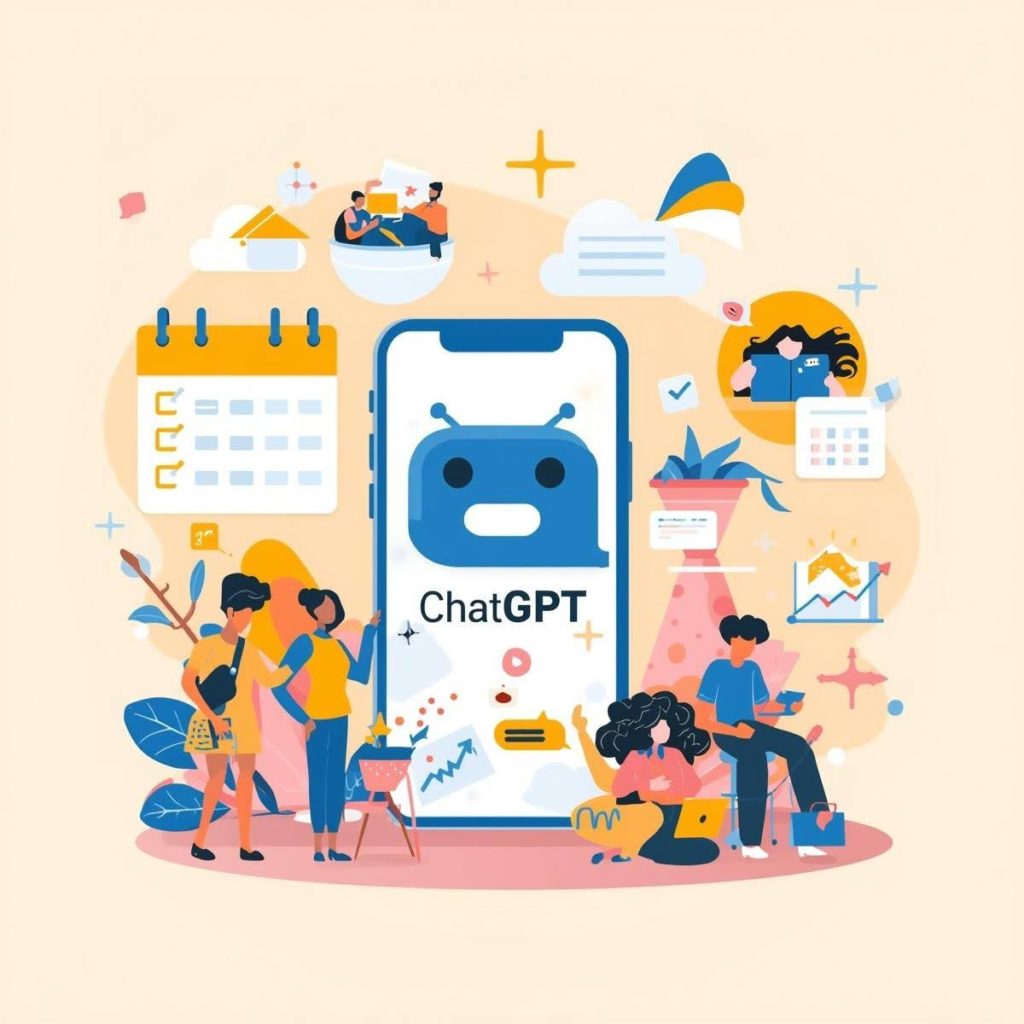
ChatGPT is an AI assistant. It helps you generate ideas, content and workflows instantly. In event planning, it acts like a virtual coordinator. It can be used to-
- Generate event themes, names and agendas.
- Write emails, landing pages and social media posts.
- Plan timelines & checklists.
- Suggest tools & engagement ideas.
- Solve last-minute planning issues.
This reduces the need to switch between multiple tools and speeds up early-stage planning. Instead of starting from scratch, you start with structured outputs you can refine.
How Do You Start Planning an Event Using ChatGPT?
Start by giving clear instructions (called prompts). The better your prompt, the better the output, because ChatGPT relies entirely on the context you provide. Example approach-
- Mention your event type – webinars, conferences or any other.
- Define your audience. Explain whether they’re marketing professionals or SaaS founders.
- Add goals. It can be lead generation, brand awareness, or training.
ChatGPT generates a basic event plan which includes the theme, title, format & structure. This saves hours of unstructured brainstorming, and guarantees that your event’s direction is clear from the beginning.
How Can ChatGPT Help Create an Event Strategy?

ChatGPT can map out a structured event strategy based on your objective. It can help you with-
- Audience segmentation like who should attend your event and why.
- Content structure like sessions, panels, networking etc.
- Marketing funnel like pre-event, during event & post-event.
This enables you to transition from a broad concept to a structured event plan with specific goals, audience targeting, and execution procedures.
For example, if you are organizing virtual events for US businesses, you can ask ChatGPT to customize messages, time zones and content formats for US consumers.
How Do You Use ChatGPT for Event Content Creation?
Content is the most time-consuming part of event planning. ChatGPT reduces this significantly. You can generate-
- Event landing page copy.
- Speaker invitations.
- Email sequences like registration, reminders, follow-ups etc.
- Social media campaigns.
This reduces content creation time and ensures consistent messaging across all channels, which is critical for building a strong event narrative. Each output can be customized by tone, audience, and platform.
How Can ChatGPT Help in Selecting Event Formats & Tools?
Choosing the right format and platform is critical, as it directly affects attendee experience, engagement levels, and also scalability. ChatGPT can suggest-
- Event formats like live webinars, hybrid conferences, or roundtables.
- Engagement ideas like polls, breakout sessions, and Q&A.
- Platform features you should look for.
For example,
If you’re looking for the best virtual event platform in California, ChatGPT can recommend you a set of platforms depending on their key features, which can be networking lounges, analytics, or scalability—or all of them.
How Do You Create an Event Agenda Using ChatGPT?

You can ask ChatGPT to generate a detailed agenda, depending on your event duration and goals.
The agenda usually includes
- Session breakdown with timings.
- Speaker slots.
- Engagement segments.
- Breaks and networking windows.
This ensures logical flow, prevents session overlap, and maintains attendee attention by balancing content, breaks, and interaction.
How Can ChatGPT Improve Event Marketing?
When it comes to events, marketing determines attendance. ChatGPT helps you execute faster and smarter. It can generate-
- SEO-friendly blog topics for promotion.
- Ad copy for LinkedIn and Google.
- Webinar descriptions optimized for conversions.
It also helps in creating audience-specific messaging. Faster content creation enables you to launch campaigns earlier and to test multiple messaging variations.
How Do You Use ChatGPT for Attendee Engagement Ideas?
Engagement is what makes an event memorable. ChatGPT can suggest-
- Icebreakers and live interaction ideas.
- Gamification strategies.
- Networking formats.
Instead of repeating standard formats, you can design interaction models that match your audience type and event goals, increasing participation rates.
How Can ChatGPT Assist in Post-Event Activities?
Post-event work is often ignored but critical for ROI.
ChatGPT helps you with a variety of tasks—including
- Writing follow-up emails
- Creating event summaries
- Generating feedback surveys
- Repurposing content into blogs or social posts
This ensures that leads are nurtured, insights are captured, and content is reused for the ongoing marketing efforts.
What Are the Best Practices for Using ChatGPT in Event Planning?
To get the best results, focus on the following:
- Be specific with prompts.
- Provide context.
- Mention audience, goals, industry, etc.
- Refine outputs instead of using them directly.
- Combine ChatGPT insights with real-world data.
These practices improve output quality and also reduce the need for multiple revisions. Think of it as a collaborator, not a replacement.
Conclusion
ChatGPT does not replace human creativity, but it accelerates execution and reduces manual workload. From building strategies and writing content to improving engagement and post-event follow-ups, it simplifies every stage of the event planning process.
However, while ChatGPT helps you plan smarter, the real success of any virtual or hybrid event depends on how effectively it is executed. That’s where your event platform such as Airmeet plays an important role.
Airmeet goes beyond basic engagement features to support the full event lifecycle. It enables teams to:
- Design branded event experiences with customizable reception areas.
- Manage multi-track agendas at scale.
- Control attendee journeys with precision.
From speaker backstage management and session-level moderation controls to real-time analytics dashboards & CRM integrations, it helps organizers not just run events, but optimize them for measurable outcomes.
Airmeet is particularly valuable for use cases like:
- Large-scale virtual conferences.
- Global webinars across time zones.
- Community-driven events.
- Demand generation programs where tracking attendee behavior & conversion signals is important.
By combining ChatGPT’s speed in planning with a platform like Airmeet you create events that are not only efficient to organize — but also impactful, data-driven and repeatable.
FAQ
ChatGPT cannot replace expert event planners because it lacks real-world execution and decision-making capabilities. It is best used as a support tool for tasks such as event content development, workflow planning, and marketing. Coordination, vendor management, and dealing with unexpected issues during events continue to require human experience.
To improve results in event planning with AI, prompts should be clear & detailed. Include the following-
- Event type.
- Audience.
- Goals.
- Expected output.
For example, instead of just asking ChatGPT event ideas, specify webinar ideas for SaaS founders focused on lead generation. This ensures more targeted and useful responses.