


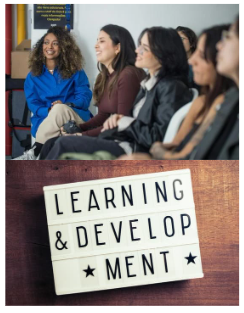
In fact, studies show that 66% of employees find on-the-job training most beneficial when learning new skills. Because it not only bridges the employee skill gap but also allows them to put their learning into practice.
But just attending an L&D program won’t get you ahead. You need some proactive strategies and steps to maximize your learning and growth.
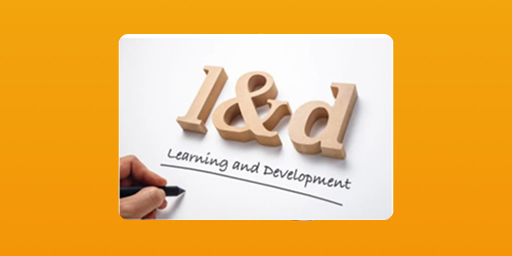
Here are 10 practical steps that you can implement to make the most out of your next L&D program and turn a few hours of learning into long-term success.
1) Set Learning Goals Before the Event
Before participating in an L&D program, decide what you want to learn or achieve from it. Many participants join training sessions without a clear purpose, which makes it harder for them to remain focused and remember the information learned throughout the event.
To prevent this from happening, take some time to think about your professional needs and identify your learning needs. Setting learning goals will actually help you stay focused and more involved at the live session. This way, you won’t just attend an L&D event but learn something valuable that you use in daily practice.
2) Know the L&D Event Agenda

Knowing the L&D event agenda beforehand allows you to identify specific sessions that are most relevant to your learning goals. You can better know, which topic aligns with your learning objectives and prioritize them.
Plus, by familiarizing yourself with the agenda and the topics in it, you can read up on the topic a little so that it will be easier to understand during the live event.
3) Research the Speaker/Trainer

If you are familiar with the keynote speaker or the head trainer of the L&D event, you can prepare your questions beforehand, ensuring you get the most out of the Q&A session.
When researching speakers before the session, review their professional experience, previous event talks, areas of expertise, and more. This will help you know their unique perspective, viewpoints, and presenting style ahead of time.
4) Participate in Group Discussions

Learning is typically more effective when it is done in a group. Group discussions allow you to brainstorm ideas, think critically, and come up with solutions in real-time. You are more likely to retain the information that you have discussed in the group.
Plus, your soft skills like communication, listening, and problem-solving are strengthened when you discuss training takeaways in a group.
5) Take Notes

Taking notes during the training allows you to delve deeper into the subjects and reinforce learning. You can write down ideas, action points, and important questions that are discussed during an L&D program.
With so much happening at the same time at an event, it is natural to forget important details. So taking notes helps you organize the information in a way that makes sense to you, as well as recall the crucial event details in subsequent reading of the notes, which helps retain the knowledge long after the event ends.
Plus, note-taking encourages active participation in an L&D event. When you capture important details in real-time, you engage more with the speaker and the content, and are involved in the training session.
6) Network with Other Participants

Learning and development (L&D) events are not just about learning from speakers, but also from other participants. Because L&D events, whether internal or external, involve attendees from diverse teams, branches, or industries, connecting, interacting, and networking with them can help you gain valuable insights.
In fact, these connections often lead to practical, real-world possibilities. From establishing professional contacts to potential partnerships and exploring new career opportunities in your field, networking can be useful in multiple ways.
7) Ask Questions

Asking questions during a live training session helps you deepen your understanding of the subject matter. At L&D events, speakers often discuss pressing topics relevant to the professionals attending and offer a unique perspective.
In such cases, when you ask questions about the topic and gain clarity from the speaker, you are more likely to retain information.
In fact, these interactions ignite fresh discussions, generate innovative ideas, and uncover new perspectives that are less likely to happen otherwise.
8) Apply Learning into Actual Work

If you want to make the most of your L&D event, start applying the learning to your actual work immediately. By putting newly learned concepts into practice, you can reinforce knowledge and boost productivity more effectively and with ease.
9) Share What You Learned with Others

After an L&D event, share what you learned with your team or colleagues. You can share any new tool, helpful resources, best practices, industry trends, and key takeaways with fellow team members.
Sharing knowledge with others will assist you in better understanding and remembering the information you learned at the training event.
10) Follow Up After the Event

Following up after your learning and development (L&D) event is an important but often overlooked step. Connect with the speakers on LinkedIn within 48 hours while the memory of the event is fresh. Reach out to them by sending them a message expressing gratitude for the excellent session they delivered.
Additionally, you can reconnect with the participants with whom you networked at the event.
Final Thoughts
Participating in learning and development (L&D) programs is important not only for your day-to-day productivity but also for long-term success. In fact, L&D programs present you the opportunity to enhance your job skills to become proficient in your role, and prepare you to take on a higher roles and greater responsibilities within the organization.
Research proves that 59% of employees think training directly improves their performance, and 92% of employees think workplace training impacts their job engagement positively. And 39% of U.S. employees believe “potential for future growth” is the most important factor for job satisfaction.
If you have a remote workforce and want to enhance their knowledge, skills, and expertise through a learning and development program, Airmeet is an excellent virtual event platform, trusted by thousands of global enterprises. It can transform your passive training into interactive, collaborative learning experiences.
Airmeet offers a set of features, including branding & customization, a virtual stage, interactive tools such as live chat, polls, and Q&A, breakout rooms, networking, gamification, a backstage area, and AirIntel analytics, to deliver an immersive experience and foster employee engagement throughout the event.
FAQs
Some common mistakes you should avoid during L&D events include:
– multitasking (e.g., checking emails or WhatsApp messages)
– failing to jot down key event takeaways
– not interacting with speakers & asking questions
– not participating in group discussions
– ignoring opportunities to build connections with other participants.
Leverage the speaker’s expertise to gain clarity on how you can simplify your day to day professional life and become more productive. These can include questions on challenges you face at work, steps to effectively implement new knowledge, how to improve skills to simplify day-to-day tasks, and practical guides to perform specific tasks.