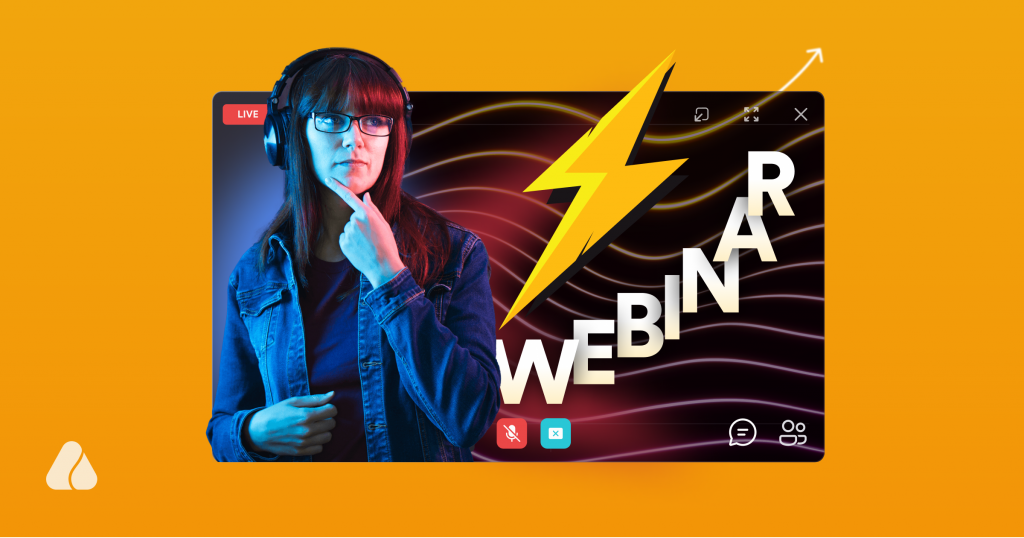




In this blog, we will explore some exciting webinar ideas tailored for the hospitality and tourism industry. These ideas will help businesses grow, adopt sustainable travel practices, and engage with a global audience.
Why Webinars Matter in the Hospitality and Tourism Industry
The hospitality and tourism industry is one of the most dynamic sectors globally. Professionals are constantly adapting to new trends, policies and standards, and market demands.
A webinar is an excellent tool that helps tourism businesses, hotel managers and tour operators connect without the need for physical gatherings.
Key Benefits of Hosting Webinars in the Hospitality and Tourism Industry

Brodens Audience Reach
Hosting webinars in a virtual setting allows businesses and brands to reach a larger audience than in-person events. Virtual event technology, which businesses use to host webinars, has the capacity to accommodate 10,000+ people at a time.
Virtual events do not have the capacity limits that physical events have, allowing organizations to engage with a larger audience at once. Online webinars remove geographical barriers, too, allowing businesses to reach a global audience.
Saves a Significant Cost
The biggest advantage of webinars is their cost-effectiveness. Webinars save a lot of the costs that would be incurred in organizing an in-person event, such as venue rental, catering, on-site staff fees, and more.
The organization does not need to travel by plane around the world to connect and engage with its audience. Through webinars, organizations can easily connect with international audiences. Tourism companies and hotels can use webinars to easily attract potential guests, travel agents, and event planners.
Opportunity to Repurpose the Webinar Content
One such benefit is that companies can repurpose the webinar content into blog posts, social media clips, infographics, e-books, or even podcasts, thereby extending their content lifespan. Companies may show their offerings to a new audience in a fresh way, broadening their audience reach.
Also, since creating new content from scratch is time-consuming, by reusing existing content from your webinars, you can create multiple pieces of content without having to start from scratch.
Enormous Brand Recognition
Webinars significantly increase brand awareness and also build trust & credibility. It positions the company as an authoritative expert in their field. When you connect with your audience in webinars in real-time, you get to demonstrate your knowledge and expertise, which helps you position your brand as a market leader.
Face to face and Direct engagement with audiences in webinars creates memorable experiences which helps generate buzz around the brand, resu;ting in a boosting brand visibility and recognition.
Generates Qualified Leads
Another core benefit of webinars is that they generate highly qualified leads. Hosting a webinar gives you invaluable information about attendees, such as their names, email addresses, job titles, and more.
You can also gather richer data by understanding their pain points through Q&A during the webinar. This information enables you to filter and categorize your leads according to their level of interest. Webinars are more likely to be serious leads because the audience is there to get something valuable that will solve their problem.
Webinar Ideas to Elevate Your Hospitality and Tourism Business
1. Sustainable Tourism: Best Practices for the Future
Sustainability is a growing concern in the tourism industry. A webinar focused on sustainable practice can help hospitality professionals adopt eco-friendly methods to reduce their environmental footprint.
Key Topics
- How to create sustainable hotels and minimize environmental impact.
- Discussing the role of GSTC (Global Sustainable Tourism Council) criteria in promoting sustainable tourism.
- Waste management strategies to reduce food and plastic waste in hotels.
- Case studies from sustainable destinations and fair trade practices.
2. Leveraging Technology in Hospitality: The Future of Travel
Technology is changing how businesses in the hospitality sector operate. From AI-driven guest experiences to advanced booking systems, webinars can explore how technology improves travel experiences.
Key Topics
- How Oracle Hospitality streamlines hotel operations through technology.
- The role of AI in personalizing guest experiences.
- Virtual tours and how they influence travel decisions.
- Innovations in hotel management, contactless check-ins, and booking systems.
3. Community Engagement and Local Experiences
Travelers are seeking authentic experiences that connect them with local communities. A webinar on community engagement can provide strategies for businesses to work with locals and create unique travel experiences.
Key Topics
- How hotels can support and engage with local communities.
- Building tourism initiatives that benefit both businesses and locals.
- Promoting local tourism and responsible business travel.
4. Marketing Strategies for Sustainable Tourism
A webinar on sustainable marketing can help businesses promote their green initiatives and eco-friendly destinations.
Key Topics
- Creating marketing strategies that highlight sustainability.
- Case studies of successful *sustainable destinations*.
- Using social media to promote eco-friendly travel experiences.
- Aligning business goals with *sustainable development* objectives.
5. Hospitality in the Post-COVID World: Adapting to New Realities
The COVID-19 pandemic has changed the face of the hospitality industry. These webinar topics explore how businesses are adapting to the implications that it has had on the industry, and share strategies to thrive in the post-pandemic world.
Key Topics
- Health and safety protocols for hotels and tour operators.
- Changes in business travel and the rise of hybrid events.
- How hotels are using innovation to meet new guest expectations.
- Case studies from industry leaders on adapting to the new normal.
Engaging Your Audience with Interactive Webinar Elements
Content is crucial, but keeping your audience engaged is just as important. Here are some ideas to make your webinars interactive and fun:
1. Live Polls and Q&A Sessions
Engage your audience by including live polls during your webinars. Follow it up with a dedicated Q&A session where attendees can ask questions.
2. Case Study Presentations
Presenting case studies during your webinar helps your audience see how the discussed strategies work in real-life scenarios. Whether you’re talking about waste management, sustainable hotels, or a successful marketing campaign, case studies make the content more relatable.
3. Breakout Rooms for Networking
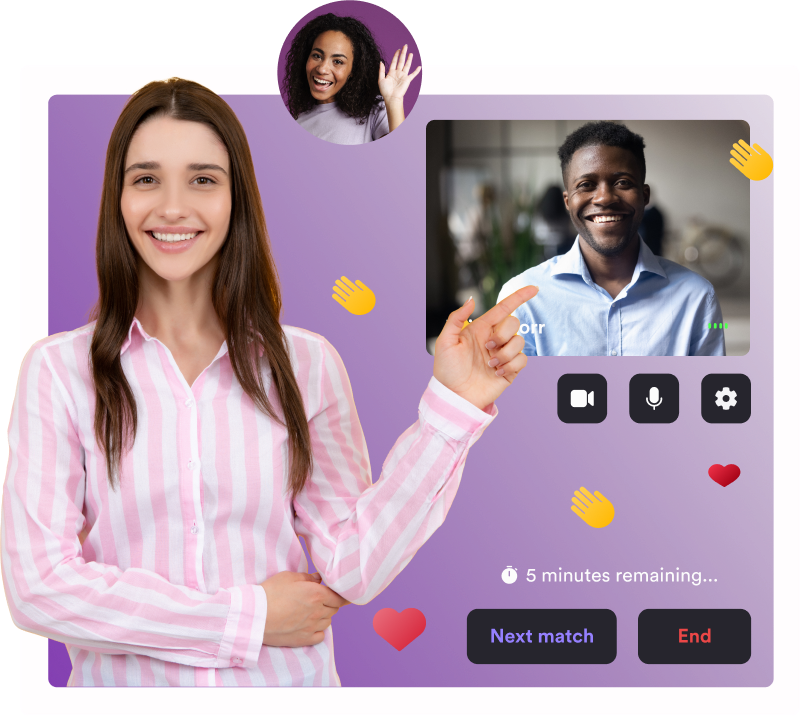
Allow attendees to connect with each other by creating breakout rooms. These smaller sessions enable people to network, discuss ideas, or share personal experiences.
4. Interactive Presentations
Use tools and technological solutions to create dynamic presentations. Incorporating videos, slides, and quizzes can keep your audience engaged and create an immersive learning experience.
Conclusion
The hospitality and tourism industry thrives on the exchange of knowledge and ideas. Hosting informative and engaging webinars allows businesses to connect with a global audience, build brand identity and thought leadership, and stay ahead of industry trends.
Whether you’re focusing on technology, community engagement or sustainable travel, webinars can help you grow your brand and make a lasting impact. By utilizing these webinar ideas, your business can inspire change, educate its audience, and pave the way for future growth in the ever-evolving hospitality sector.
FAQ
Webinars help hospitality and tourism businesses share ideas, connect with people globally, establish brand identity and thought leadership, as well as discuss industry trends easily.
Topics like sustainable tourism, using new technology, and community engagement are popular.
Yes, live webinars are recorded and can be viewed by audiences as an “on-demand” recording. Attendees who were unable to attend the webinar are sent a replay link via email after the event.
The webinar should last 60 minutes to ensure adequate time for presentations, interactive Q&A sessions, and other activities.