


Instead of merely asking employees to “show up,” gamification uses points, challenges, leaderboards, prizes, and team-based goals to boost motivation. In fact, research shows that 89% of employees believe gamification increases their productivity.
This gap explains why employee event gamification is emerging as a key corporate event engagement tactic.
What Is Gamification in Employee Events?
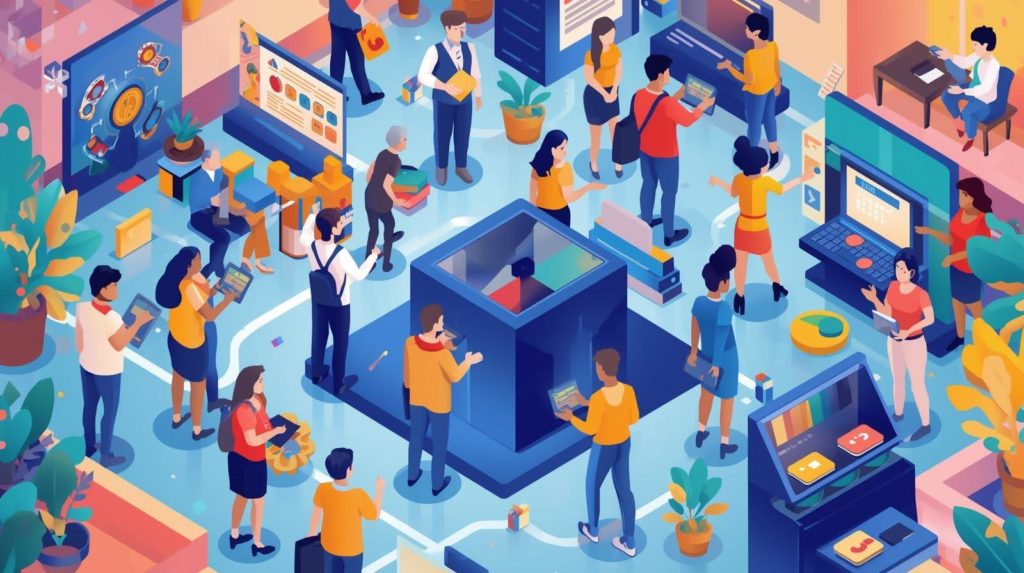
Gamification in employee events refers to the use of game features like points, leaderboards, challenges, badges, and incentives to boost participation, engagement, and measurable interaction during corporate meetings, town halls, training sessions, and hybrid events. The objective here is straightforward i.e. to replace passive attendance with measured participation.
Why Does Participation Drop in Workplace Events?
Many organizations struggle to increase event attendance at work because standard formats fail to elicit motivation. Here are some of the barriers that explain why traditional event planning strategies fail to produce good engagement numbers-
1. Limited Personal Incentive
Employees frequently perceive internal events as informative rather than rewarding.
2. One-Way Communication
Long one-sided presentations reduce attention & minimize interaction.
3. Competing Priorities
Work deadlines frequently outweigh optional company events.
4. No Measurable Recognition
When an employee’s contribution, or engagement is not acknowledged, they disengage.
How Does Gamification Improve Participation in Employee Events?
The success of employee engagement through gamification is based on behavioral psychology.
1. It Activates Reward-Based Motivation
Game mechanics activate dopamine-based reward mechanisms. There are studies that prove that gamified environments improve task engagement by increasing perceived autonomy & performance.
2. It Creates Structured Competition
Leaderboards boost effort by providing visual progress tracking. As a matter of fact, gamification can increase employee engagement by up to 48%.
3. It Encourages Social Collaboration
Team-based tasks improve workplace culture & communication. Research shows that engaged teams are 21% more profitable.
4. It Provides Real-Time Feedback
Instant scoring, and digital badges reinforce behavior right away, boosting retention & focus.
5. It Makes Participation Measurable
Unlike traditional events, gamified formats offer data dashboards that monitor-
- Attendance Rates.
- Task completion.
- Engagement Duration.
- Participation frequency.
This data-driven layer elevates gamification to one of the most effective employee event participation strategies.
What Are Some Real Examples of Gamification in Corporate Events?
Here are some successful gamification examples for corporate events utilized by global organizations-
1. Salesforce Trailblazer Events
Salesforce engages event attendees through Trailblazer Quests, in which they complete tasks, earn points, and unlock badges while participating in sessions and networking opportunities. This method boosts session participation and attendee engagement at huge conferences like Dreamforce.
2. Microsoft Hackathon Model
Microsoft’s internal hackathons leverage team challenges and reward incentives to encourage innovation across departments.
3. Event-Based Scavenger Hunts
QR-code scavenger hunts are used at corporate events throughout the world, including industrial expos and internal conferences, to encourage visitors to visit sponsor booths, attend sessions & complete activities in order to gain points & incentives. This style promotes physical and virtual connection among participants.
4. Live Poll Battles in Town Halls
Interactive quizzes during internal meetings boost participation in hybrid corporate events.
These strategies convert static events into interactive employee experiences that increase retention and participation of the employees.
What are Some Differences Between Traditional & Gamified Employee Events?
Here is a comparison table that clearly shows how gamification for corporate events increases participation & engagement.
Traditional Employee Events | Gamified Employee Events |
Passive listening | Active participation |
No performance tracking | Real-time engagement metrics |
Limited motivation | Reward-driven involvement |
One-way communication | Interactive collaboration |
No behavioral data | Measurable participation insights |
How Do You Implement Gamification in Workplace Events Step-by-Step?
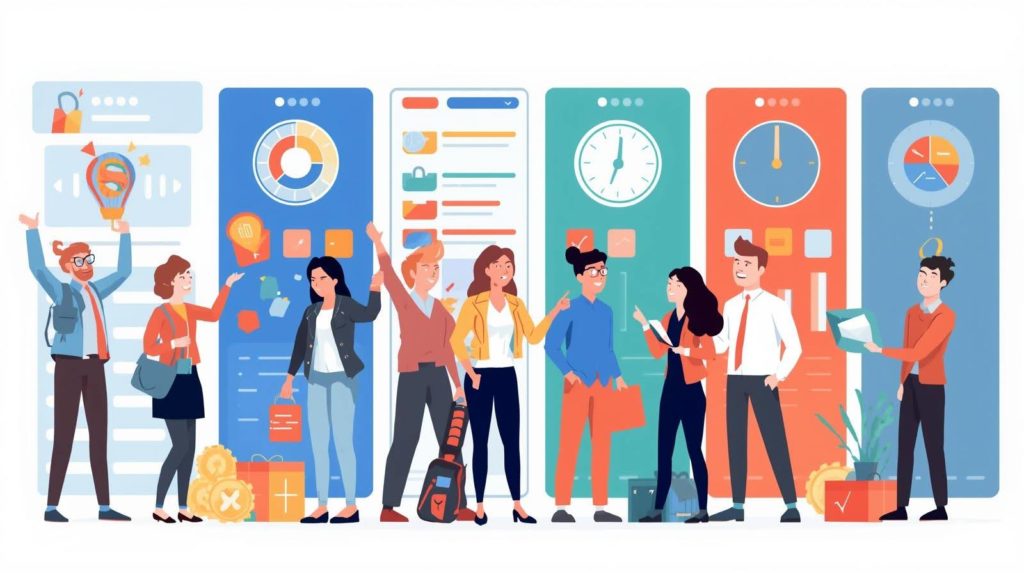
Here is a practical framework HR, and L&D teams can apply-
1. Define Clear Participation Goals
Determine whether the focus of your event’s gamification is attendance, collaboration, information retention, or networking.
2. Select Game Mechanics
Select appropriate elements like-
- Points to validate success and encourage more active participation.
- Leaderboards to inspire a healthy competition amongst team members.
- Challenges to boost problem-solving skills and improve retention.
- Achievement Levels to demonstrate where an employee stands and motivate them.
- Team competitions to encourage employees to compete against peers in a healthy manner.
3. Align Rewards With Employee Motivation
Recognition, professional development credits, and experience-based incentives are far more meaningful to employees, compared to generic rewards.
4. Use Event Technology Platforms
Modern event platforms, such as Airmeet, allow HR teams to manage-
- Live leaderboards.
- Real-time surveys.
- Interactive quizzes.
- Breakout challenges.
- Detailed engagement analytics from a single unified dashboard.
5. Track Performance Metrics
Measure engagement data to determine the event’s ROI.
This organized method ensures that gamification strategies for internal events produce measurable outcomes.
How Does Gamification Work for Virtual and Hybrid Corporate Events?
Virtual and hybrid events necessitate built-in engagement mechanisms. To keep remote employees engaged, platforms like Airmeet offer native gamification elements such as session-level engagement metrics, audience participation tools and networking challenges.
Remote and hybrid formats necessitate more robust interaction models. Gamification increases digital participation through-
- Real-time quiz tournaments
- Digital breakout challenges
- Virtual badge systems
- Cross-location team score
- Event apps with live leaderboards
This framework promotes engagement at virtual employee events, where passive attendance is more typical.
What Mistakes Should You Avoid When Gamifying Employee Events?
Common mistakes includes-
1. Overcomplicating rules
Employees quickly lose interest in games with challenging mechanics; simple & straightforward instructions promote participation and eliminate friction.
2. Providing pointless rewards
Generic or low-value incentives do not encourage employees, while meaningful recognition or growth prospects increase engagement.
3. Ignoring Fairness in Scoring
Unbalanced point systems can discourage participants, especially if some employees feel they never have a realistic chance to succeed.
4. Focusing solely on competitiveness without collaboration
Excessive competition can cause stress, whereas mixing teamwork components promotes inclusion and builds workplace culture.
5. Failing to measure outcomes
Without tracking attendance, engagement levels, and participation metrics, organizations cannot evaluate ROI or improve future gamified employee engagement strategies.
Avoiding these mistakes will ensure long-term success.
How Airmeet Helps You Gamify Employee Events
Airmeet allows organizations to-
- Organize live quiz battles at town halls
- Track session-level participation analytics
- Develop engagement-based leaderboards
- Measure networking interactions
- Award top contributors with recognition badges
This transforms employee meetings into measurable engagement experiences rather than passive ones.
Conclusion
Traditional workplace events frequently rely on passive attendance. Gamification at employee events converts the experience into active engagement.
Gamification is no longer optional as organizations focus employee experience and internal communication; it is a strategic advantage for improving workplace event participation.
When done correctly, gamification transforms corporate events from forced gatherings into meaningful & participatory experiences that employees actually want to attend.
FAQs:
Live quiz competitions, digital scavenger hunts, team-based challenges, achievement badges, milestone awards and real-time leaderboards are all examples of effective gamification ideas. These strategies boost interaction at virtual and hybrid events while encouraging employees to network, collaborate and retain knowledge.
Yes, when used wisely, gamification promotes long-term employee engagement by reinforcing positive behaviors via recognition & achievement systems. It improves workplace culture, learning retention and long-term motivation, particularly when combined with internal communication and employee experience strategies.
HR departments can use engagement analytics to track progress, including-
- Attendance rates
- Task completion percentages
- Leaderboard activity
- Session time
- Post-event feedback scores
These indicators provide clear insights into participation levels and aid in calculating the ROI of corporate event engagement strategies.