



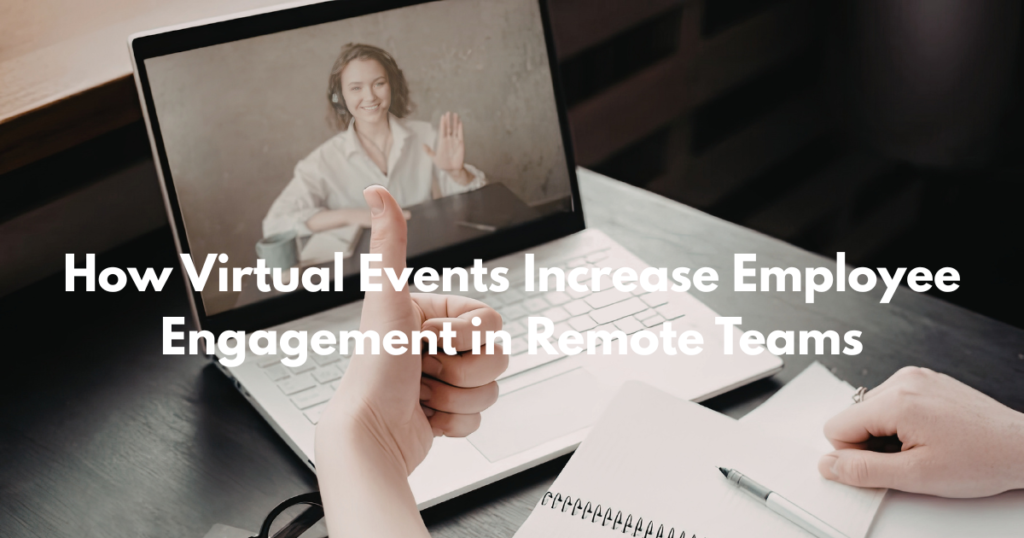
And this is where virtual events come in. When implemented strategically, virtual events can go beyond casual interactions and become a powerful engagement engine.
Let’s understand the ways in which virtual events help globally dispersed teams boost employee engagement.
Why is Employee Engagement More Challenging in Remote Teams?
Employee engagement declines in remote settings mainly because connection becomes intentional, instead of natural.
Remote employees often experience-
- Reduced social interaction as there is no scope for organic hallway chats or lunch discussions
- Formal conversations with peers because they haven’t had the chance to break the ice outside work settings
- Communication restriction, given that individuals work in siloes, and only interact when needed, that too virtually
- Low visibility & recognition because the format makes it harder for teams to acknowledge and celebrate each others’ wins
When these issues persist, they can impact employee morale, collaboration as well as long-term retention.
How Do Virtual Events Improve Employee Engagement in Remote Teams?
Virtual events improve employee engagement by creating structured opportunities for connection, collaboration, and participation. Unlike routine meetings, virtual events are designed to
- Encourage interaction instead of passive listening
Most virtual platforms come with engagement features that allow active participation during the event.
- Build relationships across teams
By bringing global teams together on a single platform, virtual events boost peer-to-peer familiarity and networking.
- Reinforce company culture
Siloes can break company culture. Virtual events instill a sense of excitement and belonging among employees.
- Make employees feel involved and valued
Virtual events allow companies to recognize efforts and acknowledge the victories of the employees. This creates deeper trust & loyalty.
When employees actively participate in events, engagement becomes a byproduct of experience rather than a forced initiative.
How Do Virtual Events Reduce Isolation and Loneliness Among Remote Employees?
Isolation is among the most critical problems remote employees face.
Virtual events help by-
- Tailoring regular social touchpoints – Events like virtual coffee breaks and team lunches, help create informal networking sessions.
- Encouraging face-to-face interaction via video – Team-specific virtual events like workshops or team meetings help employees feel more connected.
- Offering employees the chance to engage beyond work-related tasks – Regular ice-breaker activities or informal get togethers in the form of themed virtual events help employees get to know one another more intimately.
When people come to share moments like these, it reduces loneliness and helps them feel like they are part of a larger community, irrespective of their diverse locations.
How Do Virtual Events Strengthen Communication and Collaboration?
Remote communication is often task-focused, leaving little room for open dialogue.
Virtual events improve communication by-
- Providing informal spaces for conversation through chats, networking lounges, breakout rooms leading to dedicated discussions.
- Encouraging cross-team interaction – when you bring the whole company together virtually, cross-functional collabs become easier & fun.
- Supporting real-time collaboration via breakout sessions and group activities which helps build team relationships.
Collaborative virtual events like workshops, brainstorming sessions, and problem-solving activities aid employees to communicate more openly as well as work together more effectively.
How Do Virtual Events Build Trust and Team Relationships?
Trust comes from frequent interaction, familiarity, & shared experiences.
Virtual events help build trust by
- Encouraging employees to interact outside formal roles
Invite them to attend team building sessions and other fun events. This creates an opportunity to learn about one another outside of work.
- Encouraging personal expression and storytelling
This includes playing games as well as taking part in light hearted activities, which motivates employees to present their creative side.
- Creating opportunities for teamwork in low-pressure environments
Consider bringing together senior employees and new hires for brainstorming together on a project.
Over time, these interactions strengthen relationships, making collaboration smoother and more authentic across remote teams.
How Do Virtual Events Boost Morale and Motivation?
Monotony and screen fatigue can quickly drain motivation in remote work environments.
Virtual events boost morale by
- Introducing variety into the workweek
A weekly “TGIF” themed team meeting, for instance, may add so much more colour to an otherwise mundane remote work structure.
- Hosting wellness workshops
Think of yoga, meditation or a mindfulness workshop to ensure that your remote employees are healthy physically and mentally.
- Recognizing employee contributions publicly
Identify employees who go above and beyond—and validate their contributions during virtual town halls. This will also motivate others to deliver better results.
Events that focus on fun, recognition, and wellbeing help employees feel energized and appreciated, which directly impacts engagement and motivation.
How Do Virtual Events Encourage Learning and Professional Growth?
Employee engagement is closely tied to growth opportunities. Virtual learning events support engagement by
- Providing skill development sessions
L&D teams across the globe have transformed employee growth by delivering remote training sessions effortlessly, thanks to virtual event platforms.
- Encouraging knowledge sharing
This features mentorship sessions, brainstorming, and other formats where teams come together to learn and ensure professional growth.
- Allowing employees to contribute as speakers or facilitators
This can help nurture future leaders and also ensure business continuity.
Workshops, panel discussions, and employee-led sessions keep remote workers intellectually engaged and invested in their professional development.
How Should Companies Plan Virtual Events for Maximum Engagement?
Successful virtual events require intentional planning, which is in alignment with employee expectations and business goals.
Key planning considerations include
- Defining clear objectives
Every event, virtual or otherwise, requires a specific and clear goal because your content, design & delivery depends on this.
- Understanding employee interests
When employees feel heard, they are likely to stay loyal and also bring their best to work. Consider surveys, feedback forms and interviews and listen actively.
- Selecting appropriate formats and technology
Invest in the right virtual event platform to transform your virtual meetings, workshops, team meetings effectively.
- Managing time effectively
Attending virtual meetings needs globally dispersed teams to be available at times that might not be ideal for them. So be mindful to schedule events at a time that suits the majority of them, and make sure to start and end events on time, so employees don’t feel disengaged.
How Can Companies Encourage Active Participation in Virtual Events?
Active participation is the foundation of engagement.
Companies can increase participation by:
- Incorporating interactive elements like polls, chat, and breakout rooms
- Encouraging cameras-on moments without pressure to encourage employees to get to see one another
- Creating psychologically safe environments where people are free to express themselves regardless of their language preferences, abilities and tech savviness.
When employees feel comfortable participating, engagement naturally increases.
How Does Airmeet Support Employee Engagement Through Virtual Events?
Airmeet supports employee engagement by enabling organizations to host interactive and scalable virtual events that keep remote employees involved, connected and aligned.
It helps drive engagement through-
- Live interaction permits employees to participate in real-time via conversations, audience engagement tools, along with interactive sessions instead of passively attending events.
- Networking opportunities allow virtual employees to connect with colleagues across teams in informal settings, which helps build relationships and eliminate feelings of isolation.
- Collaboration-focused formats, supporting group discussions, idea-sharing, & teamwork during virtual sessions for strengthening communication and collaboration.
- Engagement insights provide visibility into attendance, participation levels, and interaction trends, allowing companies to measure impact and continuously enhance their virtual event strategy.
By combining interactivity, networking, collaboration, and data-driven insights, Airmeet helps organizations create virtual events that feel human, inclusive, and effective—making it easier to keep remote teams engaged and connected.
Bottom Line
Virtual events turn remote work from isolated and transactional into connected and engaging. When done intentionally, they rebuild social bonds, improve communication, boost morale, and reinforce company culture—helping remote employees feel involved, valued, and motivated instead of disconnected.
FAQs
Intimate team events can happen monthly, and large-scale events should be conducted on a quarterly basis. Hence, try keeping a balance, and maintain that balance consistently. Remember, frequent events can cause fatigue, and infrequent events can weaken connection.
Virtual events help sustain –
- Culture.
- Connection.
- Engagement across teams.
With remote and hybrid work becoming the norm, companies are seeking scalable ways to get people along. It is where virtual events offer a reliable framework to ensure alignment and motivation, as well as a sense of belonging in the long term.