


And this is possibly why job fairs in the North Bay region are evolving. Instead of relying solely on crowded in-person booths, organizers are now combining local hiring events with digital screening, scheduled meetings, and virtual follow-up sessions.
Employers benefit from quicker shortlisting because recruiters can focus on role fit earlier. For candidates, it provides clearer access to active openings rather than waiting for online application responses.
Recent hiring events in Santa Rosa, Napa, and Sonoma County increasingly prioritize direct hiring outcomes by organizing structured employer conversations instead of relying only on resume collection.
Why are US-Based Companies Increasingly Counting on Local Hiring Events?
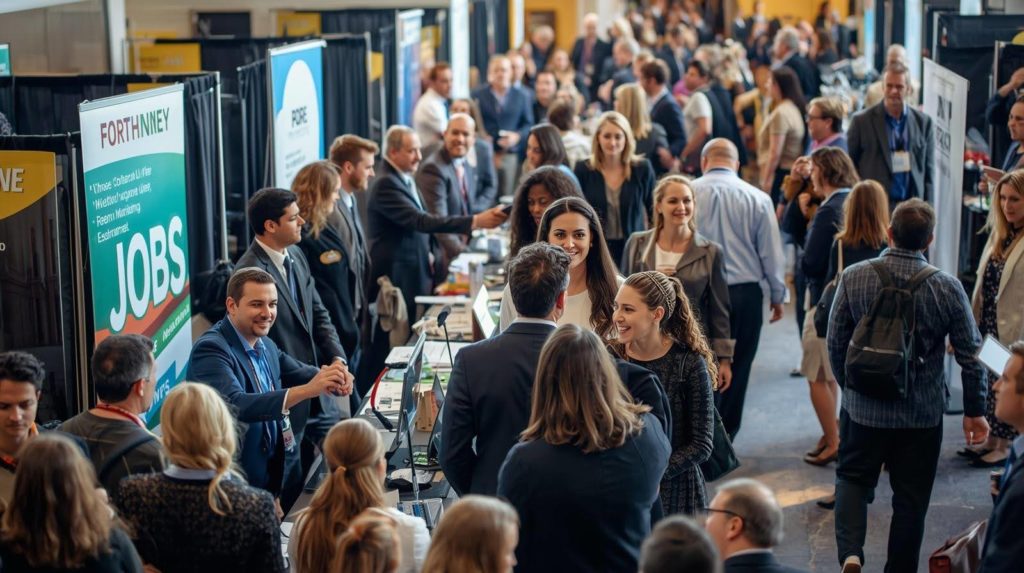
Employers in the US and across NAM increasingly use local hiring events because they reduce low-fit applications and create faster first-round screening opportunities.
North Bay jobs fair gives employers from Sonoma, Napa, Marin, and nearby organizations a way to meet local candidates in one location.
Companies now participate in these job fairs because hiring solely through job boards results in an excessive number of low-fit applications. At a job fair, recruiters can test communication, motivation, and role understanding before moving candidates into formal interviews. This allows recruiters to-
- Explain open roles directly.
- Check communication skills immediately.
- Identify serious applicants quickly.
- Promote the employer brand locally.
This format reduces early hiring friction because recruiters can reject poor-fit applicants immediately, instead of reviewing them later through multiple interview rounds.
In California’s hiring markets, particularly those with high regional competition, many employers are now using job fairs as an early screening layer prior to interviews.
What Type of Employers Typically Participate in these Job Fairs?
North Bay hiring events typically attract employers seeking active local recruitment rather than passive online applications.
Common categories include county departments, healthcare systems, educational institutions, financial services, retail chains, logistics employers and staffing firms.
For example, recent North Bay job fairs featured public agencies, banks, postal hiring teams, higher education employers, and regional service providers.
This is important because candidates can compare industries, hiring expectations, and employer communication styles in one visit, helping them identify which employers match their skills and offer clearer hiring opportunities.
How Can Job Seekers Prepare Before Attending a Hiring Event?

The biggest mistake is showing up to a hiring event with only a resume. A better approach is to prepare brief responses to likely employer questions. Before attending-
- Determine which employers are registered.
- Match your experience to three target roles.
- Prepare a 30 second introduction.
- Carry both printed and digital resume copies.
- Keep a LinkedIn-ready version available.
Employers tend to remember clarity more than resume design because recruiters make early judgments based on how quickly a candidate explains role relevance. Explaining where they fit and why they applied generates stronger recall than simply handing over documents.
What are Some Common Mistakes That Hinder Hiring Success?
When employers and candidates arrive at a job fair with no clear intent, it loses effectiveness. Employers frequently lose strong applicants because salary ranges, role expectations and follow-up timelines are not clearly communicated.
Candidates make the same mistake by approaching each booth with generic responses, rather than targeting roles that match their experience.
Another common issue is poor conversation tracking, in which recruiters collect resumes but fail to identify who demonstrates genuine potential. Delayed follow-up also reduces results, as serious candidates frequently move on to other opportunities if they do not hear back quickly after the event.
Why Conversations Often Stall Early
Most conversations fail because the candidates speak too broadly. Recruiters receive broad responses all day like-
- I am open to anything.
- I can work hard.
- I need experience.
These responses do not aid screening because they force recruiters to ask follow-up questions before understanding where the candidate fits. A better answer explains the role fit directly like-
- I handled customer billing in a retail environment, so I am applying for operations support roles where accuracy matters.
Providing specific answers allows recruiters to place candidates more quickly.
How Can Employers Turn Foot Traffic Into Hires at Job Fairs?

Many employers collect resumes but do not take action quickly enough. The most effective hiring teams now follow a three-step structure-
1. Short pre-event registration
This filters interest before the event starts.
2. Booth conversations with role clarity
Candidates should know the salary range, shift expectations and skill requirements.
3. Fast follow-up within 48 hours
This is where most hiring campaigns fail. When follow-up is delayed, candidates often accept other interviews first or lose confidence that the employer is actively hiring.
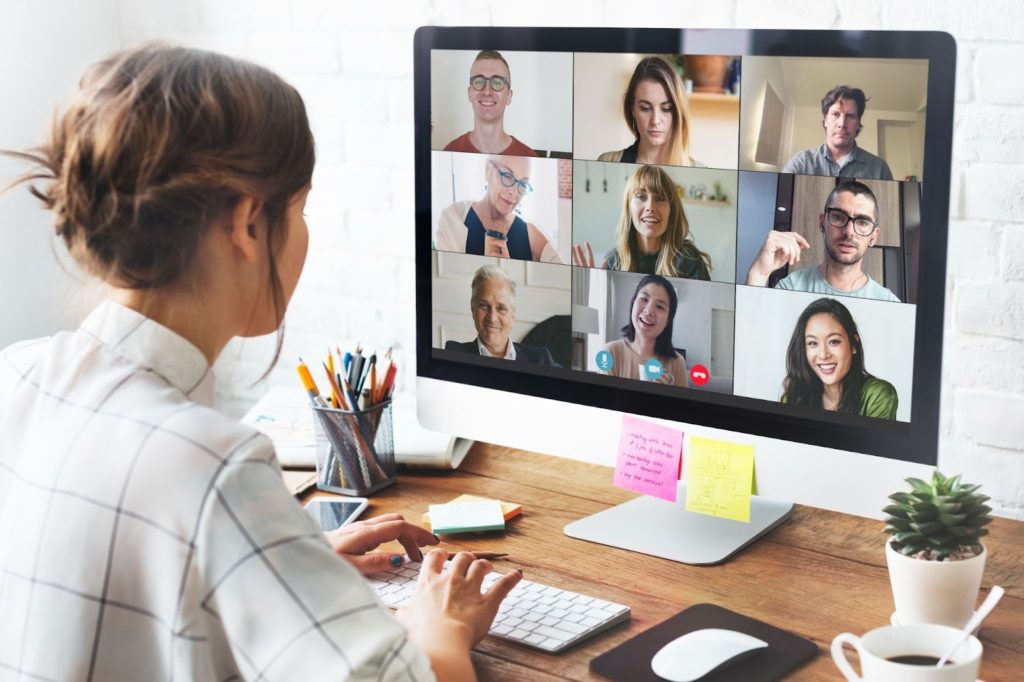
A structured virtual follow-up room solves this by inviting shortlisted candidates immediately following the event.
When Virtual Formats Work Better
A hybrid hiring event often proves to be the better option when employers need to screen many applicants quickly.
Virtual hiring is effective when employers need-
- Wider candidate reach
- Scheduled interviews
- Easier employer tracking
- Recorded sessions
- Recruiter analytics
For example, companies hiring throughout California or across NAM frequently prefer digital hiring events because candidates from nearby cities can attend without having to travel.
Many employers prefer virtual hiring because it reduces venue costs, scheduling constraints, and recruiter travel time.
How do Digital Platforms Improve Hiring Flow?
When organizers want hiring conversations to continue beyond the event itself, digital event platforms become useful. Airmeet enables organizers to create-
- Branded virtual booths.
- Recruiter meeting areas.
- Scheduled one-on-one interviews.
- Session analytics.
- Candidate engagement tracking.
This means employers can continue evaluating candidates even after booth conversations end, instead of relying only on physical foot traffic.
A local hiring event can start in person & go online without losing candidates. For workforce teams, this results in a measurable hiring flow rather than one-day visibility.
What Should Organizers Include on the Event Page?
The event page must provide immediate answers to practical questions. Include-
- Exact location
- Participating employer categories
- Who should attend the event?
- Registration deadline
- Whether resumes are needed
- Interview availability
Pages that rank higher also have updated event dates and employer names.
Conclusion
Local hiring events deliver better results when recruitment is treated as a guided process instead of a one-day activity. Employers gain more value when they arrive with clear job requirements, quick screening plans and a follow-up system that begins immediately following candidate interviews.
Job seekers perform better when they know which companies are attending, have direct answers and focus on roles that match their experience. Local events in areas such as Sonoma County and Santa Rosa are no longer isolated recruitment activities; rather, they are part of a larger hiring strategy that frequently continues online.
As hiring becomes more structured, many organizers now continue job fair conversations through digital interviews & scheduled recruiter follow-ups. For teams planning future North Bay hiring events, the best results typically come from using a format that keeps conversations organized, measurable, and easy to continue after the event is over. This approach allows both employers, and candidates to move more quickly toward actual hiring decisions.
FAQs
Yes, many North Bay job fairs feature employers looking for entry-level jobs, internships, seasonal work, and training positions. Employers frequently look for reliability, communication skills and eagerness to learn. Clear responses about availability, interest in the role and local work readiness are often more important than formal experience.
Registering early is beneficial because some employers review attendee lists before the event begins. Early registration also gives you access to employer names, role categories, and event information. This allows for better preparation, more targeted outreach, and enough time to tailor resumes to the companies attending.