


For B2B companies running webinars, partner summits, and demand-generation events, branding directly influences how enterprise buyers evaluate credibility.
What Is Brand Customization in B2B Virtual Events?
Brand customization in B2B virtual events involves tailoring each attendee interaction to fit your company’s identity, voice and positioning.
This includes-
- Visual identity (logos, typography and brand colors).
- Branded event URLs and domains.
- Custom registration pages.
- Email templates with brand styling.
- Branded virtual stages and booth designs.
- Personalized Attendee Journeys.
- Custom CTAs and conversion routes.
It is important because B2B customers frequently judge organizational maturity based on visual & structural consistency. When branding is consistent across domains, emails and event interfaces, it demonstrates corporate collaboration and investment. In competitive US markets such as SaaS, FinTech, and HealthTech, brand experience has a direct impact on deal trust.
Why Is Brand Customization Critical for B2B Companies in the US?
According to a report by Content Marketing Institute, B2B buyers regularly engage with multiple virtual events annually as part of their research process, with North American professionals showing higher digital event participation due to hybrid-first adoption trends. This sustained exposure makes visual differentiation important from the very first interaction.
In saturated US markets, enterprise buyers compare multiple vendors simultaneously. A branded environment differentiates your event visually before content differentiation even begins. This is because buyers form first impressions based on presentation quality before evaluating the session topics.
When events lack customization-
- The experience seems interchangeable with competitors
- Attendees struggle to connect the value to your brand
- Sponsors have limited distinctive visibility
- Conversion momentum declines
With strong customization-
- Engagement time increases because an organized, branded atmosphere eliminates confusion about validity, allowing attendees to focus on content rather than credibility.
- Brand recall improves with frequent visual exposure, since consistent logos, colors, and layouts enhance memory associations in the buyer’s mind.
- Sponsors benefit from increased visibility within structured brand spaces, thanks to specified booth areas, distinctive layouts, and consistent navigation that prevent generic templates from overshadowing them.
- Conversion rates increase as trust removes decision-hesitation.
What Are the Best Examples of Brand Customization in B2B Virtual Events?
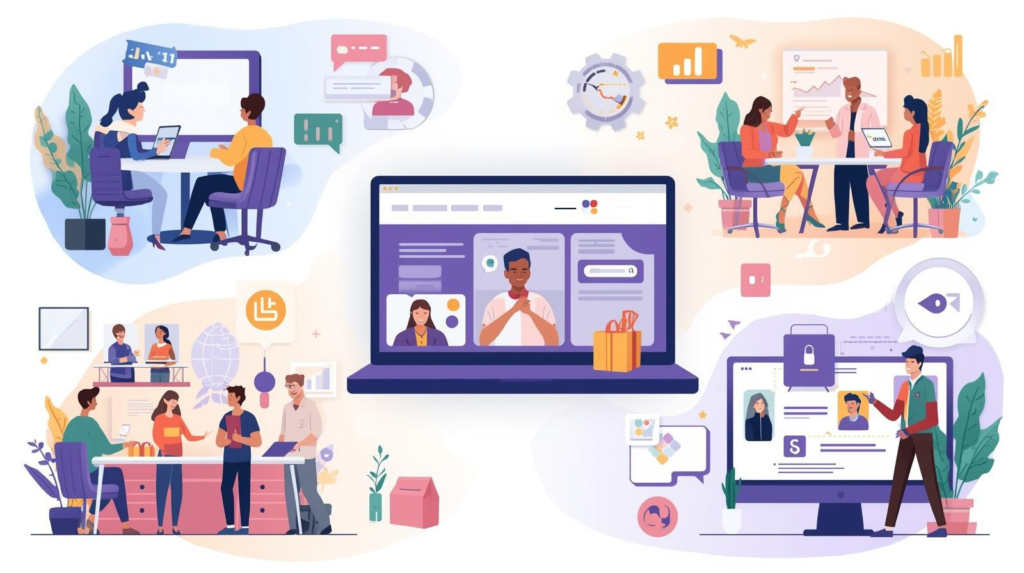
Here are some real & high-impact examples employed by top B2B firms-
1. Branded Event Microsites With Custom Domains
It is a completely customized event landing page hosted on a branded domain. Because attendees see your company domain and design system, they subconsciously associate the event with corporate ownership, rather than a third-party tool.
This reduces perceived third-party dependency & increases buyer confidence in data security and brand ownership.
2. Custom Virtual Reception Areas
It is a digital lobby that is created with brand colors, banners, videos and welcome messages. The reception area sets cognitive expectations. A polished lobby sets the right expectations, because attendees subconsciously assume that the level of preparation in the environment reflects the quality of the sessions. Attendees automatically associate the environment with the company’s identity.
3. Branded Stage Layouts and Session Backgrounds
Think custom-designed stages with logo placement, lower-thirds, brand typography and thematic images. It keeps the brand logo visible during sessions without disrupting the speakers. This boosts brand recall after the event has ended. Continuous but subtle logo placement reinforces brand presence without interrupting content consumption; increasing post-event recognition.
4. Personalized Agenda Experiences
This allows attendees to see recommended classes based on their role, industry or behavior. Personalization reflects brand maturity, because it demonstrates how the company has segmented its audience.
This lessens the perception of generic marketing, and increases the possibility that participants see the company as “customer-focused”. It demonstrates that the organization understands its clients’ demands, thereby improving credibility.
5. Sponsored Booth Customization for B2B Exhibitors
Exhibitors can create customized booths with banners, product films, downloadable files and branded chat experiences. This improves sponsor ROI, because branded booths create controlled environments for lead capture and meaningful product storytelling – as opposed to static listing placements.
6. Branded Email Journeys and Reminder Campaigns
Every email, including confirmations, reminders and follow-ups, adheres to the brand’s style and tone. Consistency across media improves brand authority because buyers perceive coordinated communication as a signal of organizational discipline which increases confidence in the brand, and thereby the event.
7. Gamification With Brand-Themed Rewards
Point systems, quizzes and leaderboards are all in line with the brand messaging. It keeps participants engaged & reinforces product positioning.
For example, a cybersecurity company might develop a game that is related to its core offering. This strengthens thematic brand reinforcement beyond passive listening.
8. Custom Networking Lounges by Industry or Region
This features breakout rooms that are focused on topics such as healthcare, fintech and manufacturing. These dedicated discussion rooms encourage focused interactions by pairing attendees with similar interests to enhance industry-specific brand positioning and relevance.
How Does Brand Customization Improve Event ROI?
Brand customization influences measurable outcomes since brand perception directly affects buyer behavior in enterprise purchasing cycles. It improves the following-
1. Registration to attendance ratio
Strong branding builds pre-event trust, reducing drop-offs & increasing the percentage of registrants who actually attend live sessions.
2. Average session watch time.
Clear visual structure reduces distraction, helping attendees stay focused for a longer time and consume more session content.
3. Sponsor retention.
Professional branded environments improve sponsor perception of value, increasing the likelihood of repeat participation in future events.
4. Post-event demo bookings.
Trust built through consistent branding lowers hesitation — encouraging attendees to request product demos post-event.
5. Sales-qualified leads.
Perceived credibility filters out serious buyers from the rest, increasing the proportion of attendees who match ideal customer profiles.
Branded environments boost perceived authority as consistent design and structured presentation indicate operational consistency, which is essential in high-risk B2B purchase decisions. Lower uncertainty shortens evaluation cycles, since buyers feel more comfortable moving forward without extra confirmation. When enterprise customers perceive fewer risks, they are more likely to remain engaged, seek demos, and progress through the sales cycle.
What Should US-based B2B Marketers Look for in a Customizable Virtual Event Platform?
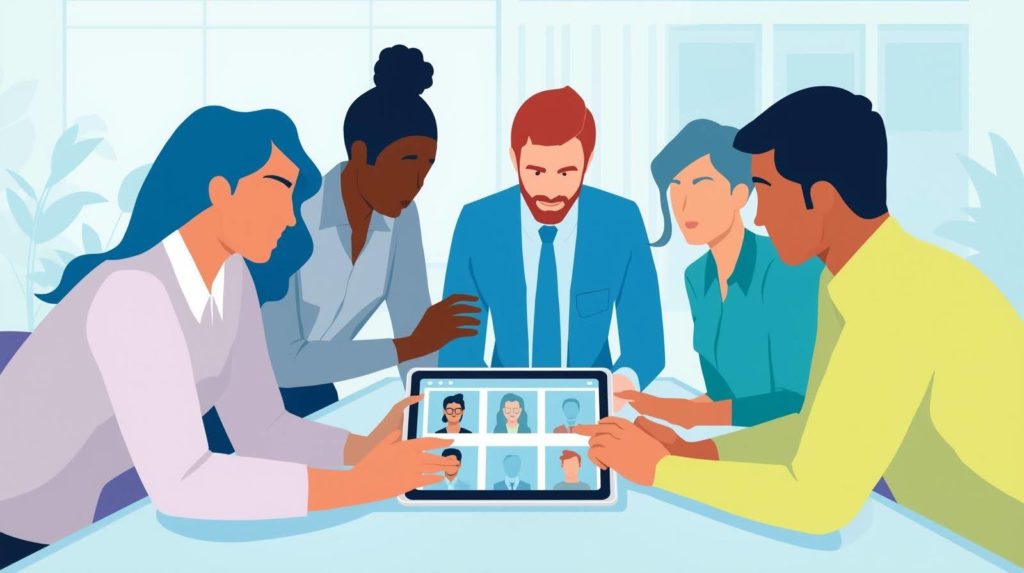
When assessing platforms, consider the following features-
1. Full white-label capabilities
It gives you control over your logos, colors, URLs, and layouts.
2. Advanced branding controls
It empowers event hosts to customize stages, booths, and networking areas for the event.
3. Data and analytics integration
Branding should be linked to quantitative performance indicators so you can monitor how branded experiences affect engagement, sponsor ROI and funnel creation.
4. Sponsor customization tools
It is essential for monetized B2B events.
Virtual Event Platforms such as Airmeet provide event-level branding controls while maintaining scalability for recurring demand-generation programs.
How Does Airmeet Empower B2B Marketers to Host Fully Branded Events?
For B2B marketers who want to create immersive branded experiences, the event platform should allow for substantial customization, without requiring technical skills. Airmeet enables-
- Complete white-label event experiences using branded domains.
- Customizable reception spaces, stages, and sponsor booths.
- Branded email workflows incorporated within the event journey.
- Advanced analytics for measuring engagement and pipeline influence.
- Scalable infrastructure for recurring webinars, summits, and corporate events.
By combining branding flexibility with enterprise-grade reliability, Airmeet helps marketing teams move beyond generic webinars and deliver structured & high-trust virtual environments that support long-term demand generation.
Conclusion
Brand customization in B2B virtual events is not a design upgrade, but it is a strategic trust-building mechanism. Enterprise buyers evaluate vendors long before procurement discussions begin, and digital event environments often serve as the first large-scale brand interaction.
When branding is the same in registration pages, live sessions, sponsor areas, and follow-up communication, it signals operational discipline. That discipline reduces perceived risk; which is one of the biggest barriers in B2B buying decisions.
Organizations that treat virtual events as brand environments rather than content broadcasts see stronger engagement, better sponsor relationships, and improved sales momentum.
The question is no longer whether customization is necessary, but it is how strategically you implement it.
FAQs
Brand customisation increases recognition, trust, and professionalism. When events appear to be consistent and planned, attendees sense a higher value. This improves engagement, session retention, and post-event conversions. In competitive B2B marketplaces, a branded experience distinguishes your organization and boosts its authority before any direct sales encounter occurs.
Some of the common customizable elements are-
- Registration pages
- Event microsites
- Lobby design
- Session stages
- Email communication
- Sponsor booths
- Networking lounges
Advanced platforms also support individualized agendas and branded gamification. Together, these aspects form a unified digital environment that reflects the company’s brand at all touchpoints.
Customized sponsor booths enable partners to display logos, movies, downloadable resources and live interactions. This increases visibility and lead capture opportunities. When sponsors see measurable engagement, they are more inclined to return for future events, which creates long-term revenue potential for organizers.